
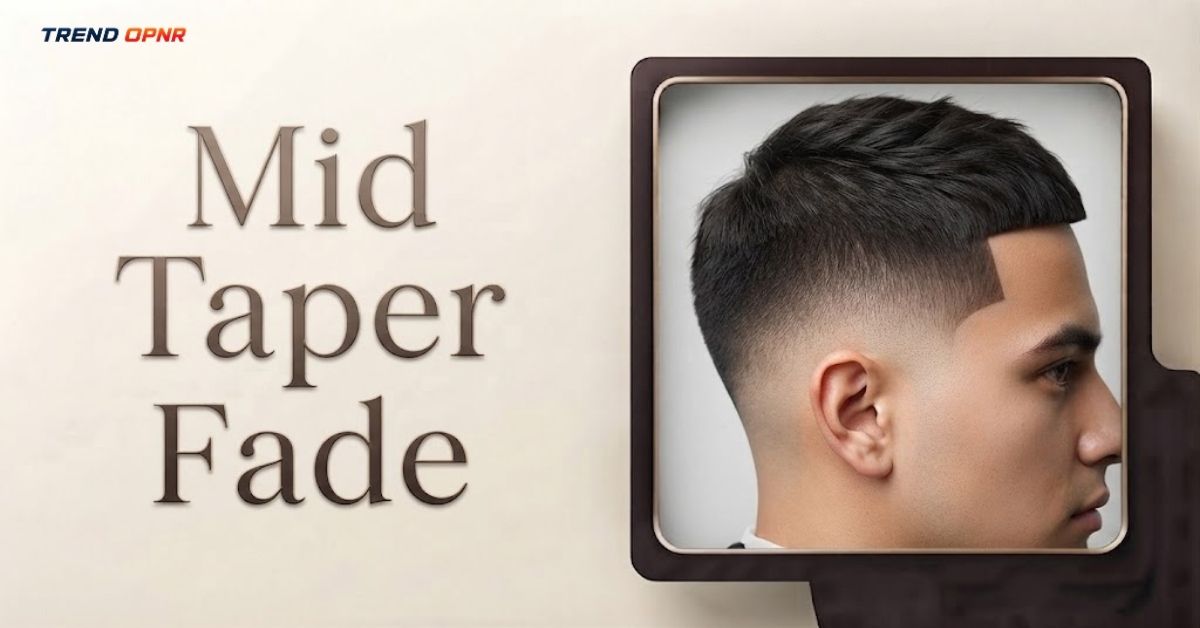

A Mid taper fade creates a balanced transition around the temple, sideburns, and neckline while leaving useful length through the sides and top. It sits between softer low placements and more dramatic high placements, making it adaptable to many men’s hairstyles and personal preferences.
This guide explains the mid taper haircut, popular variations, barber instructions, styling options, and practical haircut maintenance. You will also learn what to tell your barber, how to choose the right finish, and how to keep a fresh haircut looking neat between visits.
The Quick Version
A mid taper fade begins around the middle of the temple rather than extremely low or close to the crown. The transition normally focuses on the temple, tapered sideburns, and neckline while retaining more hair around the sides than a traditional full fade.
The final appearance depends on the hair type, hair texture, top length, and desired finish. A subtle taper can look understated, while a sharper version can create a more defined and modern appearance.
What Is A Mid Taper Fade?
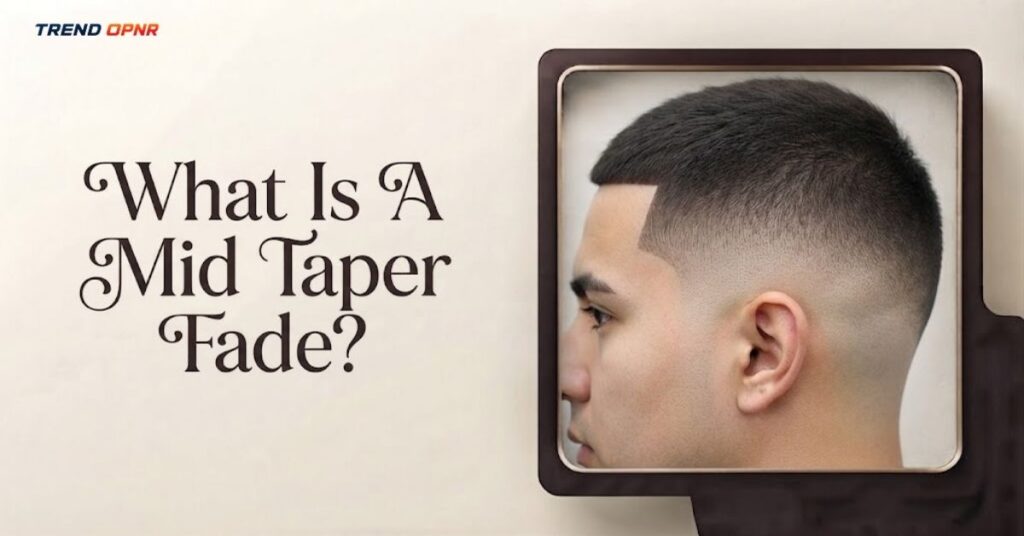
A mid taper fade is a haircut where the graduation begins around the middle of the temple and gradually becomes shorter around the sideburns and neckline. The barber controls the transition with a taper technique, creating blended sides rather than removing the same amount of hair around the entire head.
Unlike a complete fade, a mid taper haircut usually preserves more natural bulk. The top can remain long, medium, or short, which means the haircut can work with a textured top, messy top, curls, waves, or a clean combed style.
Where Does The Taper Begin, And What Hair Is Removed?
The taper normally begins around the temple area and moves downward toward the sideburn. The barber uses a clipper fade, different guard lengths, and sometimes a scissor cut to create a smooth transition without making the sides unnecessarily bare.
At the back, the mid taper fade back area usually focuses on the nape rather than creating a complete gradient across the whole head. A tapered neckline can be natural, rounded, squared, or softly cleaned depending on the desired result.
Why Can “Mid Taper Fade” Mean Different Things?
The term can describe slightly different results because barbers may interpret the requested height, shortest length, and amount of retained hair differently. One person may want a clean mid taper, while another may prefer a softer shadow finish.
That is why what to tell your barber matters as much as the haircut name. A clear haircut consultation, reference photos, and instructions about the neckline can prevent an unwanted result.
Mid Taper Fade Vs Similar Haircuts
The main differences between taper variations involve placement, coverage, contrast, and how much hair remains around the sides. Understanding these details makes a mid taper fade haircut easier to request accurately.
A low vs mid taper fade comparison mainly concerns where the transition begins. A mid vs high taper fade comparison focuses on how much higher the blend moves toward the upper temple.
Mid Taper Fade Vs Mid Fade
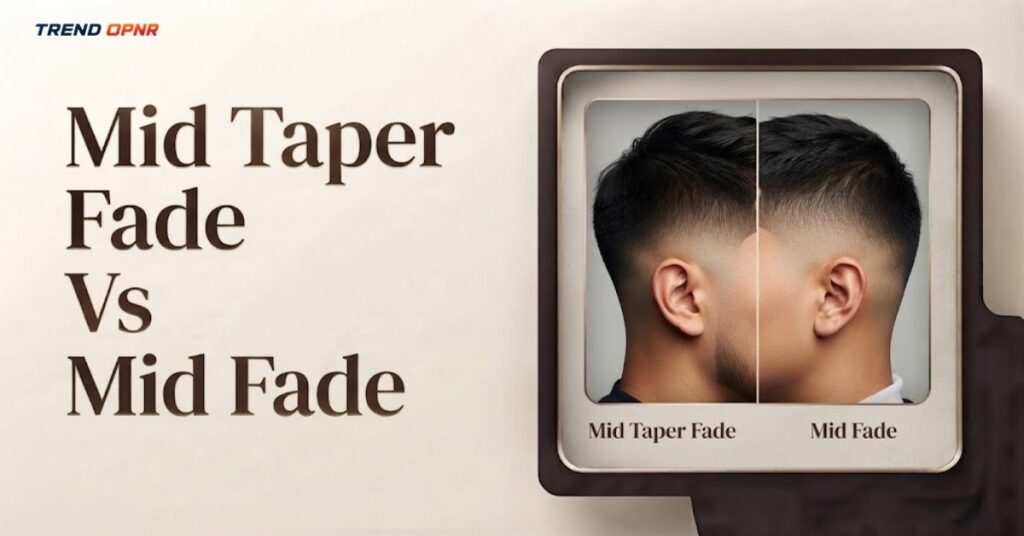
A mid taper fade generally keeps the transition concentrated around the edges, while a mid fade usually carries the gradient farther across the sides and back. This gives the taper more retained bulk and a softer overall silhouette.
| Feature | Mid taper fade | Mid fade |
| Blend area | Temples, sideburns, neckline | Wider sides and back |
| Side bulk | More retained | Less retained |
| Appearance | Balanced | More contrasted |
| Maintenance | Moderate | More noticeable grow-out |
| Styling | Highly flexible | More fade-focused |
For someone wanting a clean haircut without removing too much side volume, the localized taper can be a practical option. Someone wanting a stronger fade effect may prefer broader blending.
Mid Taper Vs Low Taper Vs High Taper
A low taper begins closer to the ear and normally gives a quieter transition. The mid taper fade sides sit higher, creating a balanced visual change without reaching as high as a high taper.
A high taper begins closer to the upper temple and creates more contrast. The choice between them should consider face shape, hair type, workplace expectations, and how often you want a barber appointment.
Mid Taper Fade Vs Temple Fade And Classic Taper

A temple fade concentrates strongly around the temple area, while a mid taper fade usually gives the transition a broader presence around the sideburn and neckline. The exact boundary can vary between barbers.
A classic mid taper has a softer, more traditional appearance, while a modern interpretation may use stronger contrast and cleaner edging. A classic taper can suit people who want a conservative professional haircut.
Is A Mid Taper Fade Right For You?
A mid taper fade for men can be adapted to different densities, textures, and top lengths. The key is adjusting the blend rather than assuming every person should receive exactly the same guard numbers.
People with thick hair may keep more weight around the top and sides, while people with thin hair may benefit from controlled length and a softer transition. The final choice should match the natural growth pattern.
Hair Type, Density, And Growth Pattern
A mid taper fade with straight hair often displays the transition clearly because straight strands show changes in length easily. A mid taper fade with curly hair can appear softer because curls naturally break up the visual boundary.
A mid taper fade with waves works especially well when the top has enough length to show the wave pattern. Coarse hair may need careful blending technique, while fine hair can benefit from avoiding an unnecessarily high or aggressive taper.
Face And Head Shape And The Desired Silhouette
Your face shape can influence how much top volume and side weight you want. A longer top can add visual height, while controlled side bulk can help create a broader silhouette.
Instead of following strict rules, explain the effect you want during your haircut consultation. Tell the barber whether you want the head to look fuller, narrower, sharper, or more natural.
Lifestyle, Dress Code, And Upkeep Tolerance
A professional haircut usually benefits from a natural outline and moderate contrast. Students and office workers may prefer a version that grows out smoothly rather than one requiring constant edging.
If you want a trendy men’s haircut, a sharper finish can add definition. If convenience matters more, a softer transition can improve haircut longevity and reduce frequent maintenance.
Best Mid Taper Fade Styles By Top Shape And Texture
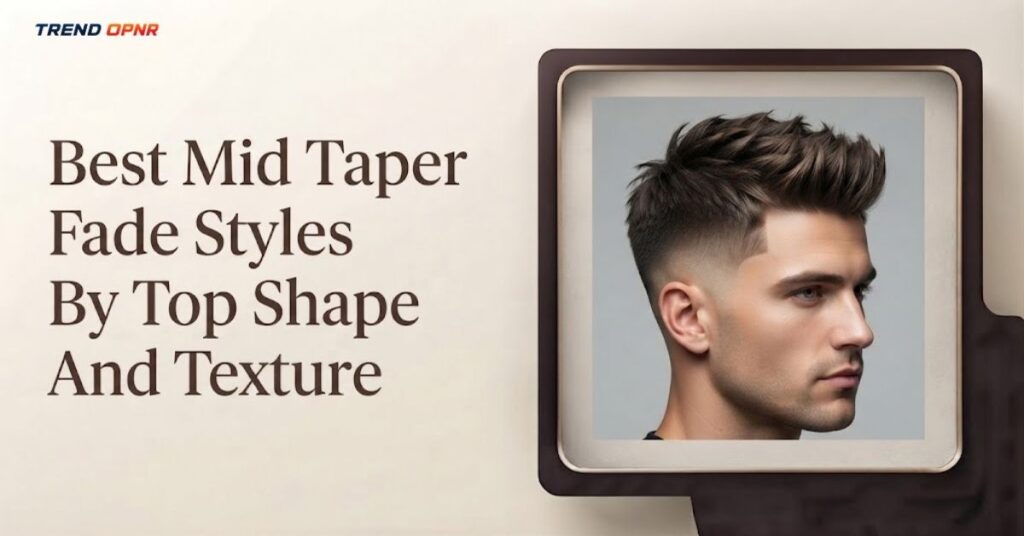
The top determines much of the personality of the haircut. Different mid taper fade styles can create anything from a simple everyday appearance to a highly styled look.
The most useful combinations depend on top length, density, and texture. A mid taper fade haircut styles list can include short crops, quiffs, textured tops, curls, waves, and longer shapes.
Short And Textured Tops
A short crop keeps the styling routine simple. A mid taper fade with crop creates a defined perimeter while the cropped top can be worn forward with a small amount of styling cream.
A textured crop also works with a mid taper fade with fringe, especially when the front is slightly longer. A small amount of hair wax can separate strands without making the top excessively shiny.
Medium And Longer Tops
A mid taper fade with quiff combines tapered edges with volume at the front. Blow-drying the top upward before applying a small amount of matte pomade can help the shape remain controlled.
A mid taper fade with pompadour requires more top length and volume. It generally works best with medium-to-thick density because the front needs enough hair to hold its height.
Curly, Coily, And Protective-Style Combinations
A mid taper fade with curly hair keeps the natural curl pattern visible on top while cleaning the perimeter. Curl cream or a lightweight leave-in product can define the top without disturbing the taper.
For textured protective styles, the barber can focus on the temples, sideburns, and nape. A mid taper fade for men with curls, twists, or locs should preserve the main pattern rather than cutting too deeply into the top.
Finish Options That Change The Look
A shadow finish leaves some visible hair at the shortest point, while a skin taper moves closer to bare skin. A skin taper creates stronger contrast, whereas a subtle taper gives a softer appearance.
The natural hairline is another important choice. A sharp outline gives a more defined result, while a natural edge can improve haircut longevity because small amounts of regrowth are less noticeable.
How Do You Ask A Barber For A Mid Taper Fade?
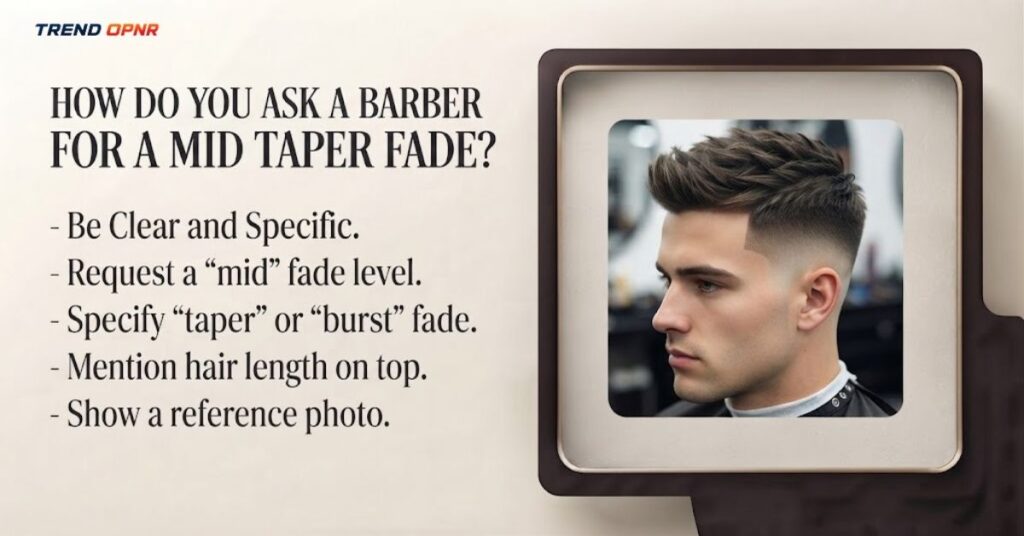
The easiest way to explain a mid taper fade is to describe placement, shortest length, top length, and neckline separately. Do not rely only on the haircut name.
When considering how to ask for a mid taper, tell the barber where you want the blend to begin, how much side bulk to retain, and whether you want a shadow or skin finish. This is more useful than simply requesting a clipper guard number.
Set The Placement, Shortest Length, And Amount Of Bulk
Say that you want the taper to begin around the middle of the temple. Then explain whether you want the mid taper fade sides kept fuller or blended more tightly.
If you prefer a soft result, request a shadow finish. If you want stronger contrast, ask about a skin finish. The barber can select the appropriate number 1 guard, number 2 guard, or number 3 guard depending on the starting length and transition.
Specify The Top Length, Texture, And Transition
Tell your barber whether you want a textured top, messy styling, curls, waves, a crop, or a quiff. Mention whether you want scissors used on top through a scissor cut or whether a clipper should control the length.
A mid taper fade with textured hair can require a different taper technique from straight hair. Your barber should adjust the blending technique according to your density and natural movement.
Bring Useful Reference Photos And Confirm All Three Angles
Bring front, side, and back references when possible. The side view shows the taper placement, while the back view helps communicate the desired mid taper fade back and neckline.
Photos are especially useful when you want a particular mid taper fade styles combination. Explain which feature you like rather than expecting the barber to copy every detail of another person’s hair.
Use A Concise Barber-Request Script
A simple request can be: “I want a mid taper starting around the middle of the temple, keeping the sides fairly full, with a clean neckline and my current top length preserved.”
You can then specify whether you want a natural finish, sharp edging, or a beard connection. These barber instructions make the appointment clearer and reduce confusion.
How Do You Style And Maintain A Mid Taper Fade?
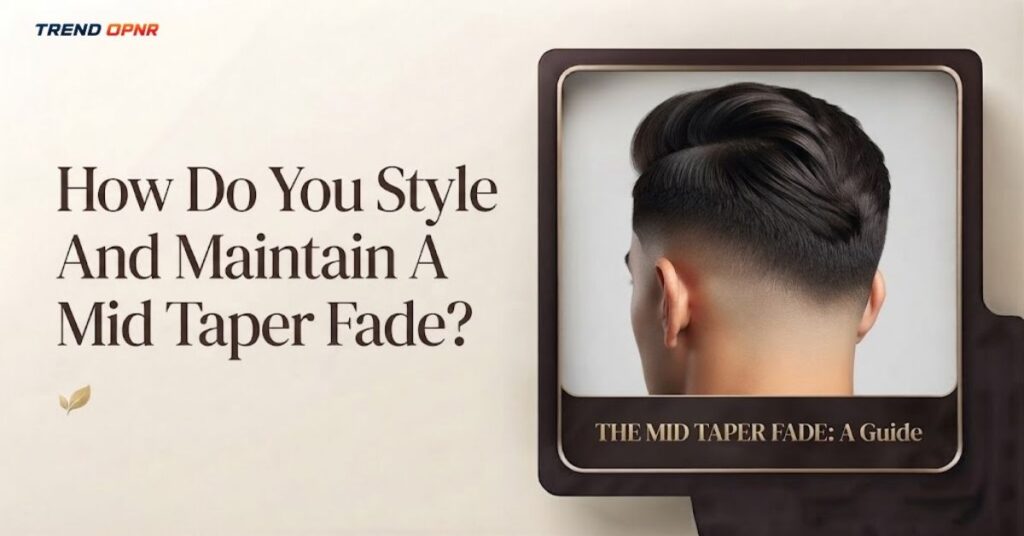
Good mid taper fade maintenance depends on two areas: keeping the perimeter clean and styling the top according to its texture. The taper itself does not require complicated daily styling.
For a mid taper fade haircut, the top should receive most of the attention. Straight hair may need texture and control, while curly hair usually benefits from moisture and definition.
Daily Styling By Hair Type And Finish
For straight hair, styling cream can provide light control without weighing down the strands. For thicker hair, matte pomade or hair wax can create separation and structure.
Curly and wavy hair often responds better to products designed for definition. Choose hair styling products according to the result you want rather than buying a product simply because it is marketed for fades.
Read More: Mid Taper Fade Textured Fringe: Who It Suits and How to Get It
When To Book A Touch-Up
A common haircut maintenance routine involves returning every few weeks, although growth speed varies. If you prefer a sharp finish, you may notice the neckline and sideburns losing definition sooner.
People who prefer a softer appearance can often wait longer. How often to get a taper depends on growth speed, hair density, styling preferences, and whether the neckline is kept sharply outlined.
Safe At-Home Cleanup Between Appointments
You can carefully clean obvious stray hairs around the neckline if you know how to use your tools. Avoid attempting to rebuild the entire blend because one incorrect guideline can change the height of the taper.
Simple taper fade upkeep should focus on maintaining cleanliness rather than redesigning the haircut. If you are unsure, leave the blending work to your barber.
What Problems Or Edge Cases Should You Consider?
Every haircut should account for natural growth patterns. Cowlicks, uneven density, thinning areas, and sensitive skin can change how the final result looks.
Before receiving a mid taper fade, tell the barber about areas where your hair grows differently. This allows the barber to adjust the taper instead of forcing a standard shape onto your head.
Razor Bumps, Neck Irritation, And Scalp Sensitivity
A very close finish can sometimes make irritation more noticeable. If your neckline becomes uncomfortable after close clipping, ask for a slightly longer finish instead of automatically choosing the shortest option.
A shadow finish can still provide a clean neckline without requiring the closest possible shave. Good tools, careful technique, and appropriate aftercare can also make the experience more comfortable.
Receding Hairlines, Thinning Areas, Cowlicks, And Uneven Growth
A barber should assess the natural hairline before creating an aggressive edge. If the temples are uneven, pushing the line farther back may make the recession more obvious.
A softer natural hairline can sometimes produce a more balanced appearance. The same principle applies to cowlicks at the back, where the tapered neckline should follow the natural growth pattern.
Which Alternatives Should You Choose Instead?
The mid taper fade sits between lower and higher placements, but it is not the only option. Your preferred amount of contrast, retained side volume, and haircut longevity can help determine which variation makes sense.
A low taper provides a quieter transition, while a high taper creates stronger visual separation. A classic taper keeps more length and offers a traditional appearance.
| Alternative | Main Character | Maintenance Consideration |
| Low taper | Softer and understated | Usually forgiving |
| High taper | Stronger contrast | More visible regrowth |
| Mid fade | Wider fade area | Requires regular upkeep |
| Drop fade | Curved behind the ear | More specialized |
| Classic taper | Traditional and soft | Longer grow-out |
The low vs mid taper fade difference is mainly about placement and visual intensity. The mid vs high taper fade difference becomes more noticeable because a higher blend changes the silhouette more dramatically.
High Taper Fade
A high taper begins farther upward around the temple and can create a stronger contrast between the upper hair and the sides. It is often chosen when the wearer wants a more noticeable modern shape.
Compared with a mid taper haircut, the high version generally removes more visual bulk around the upper sides. It can pair well with short hairstyles, textured tops, and sharper styling.
Mid Taper Fade Black

A mid taper fade for men with tightly textured hair can preserve natural volume while cleaning the temples and neckline. The taper can work with curls, waves, twists, locs, or an Afro-shaped top.
A careful barber should consider coarse hair, density, and natural growth direction. A mid taper fade with beard can also connect the sideburn area smoothly into facial hair when that is the desired look.
Mid Taper Fade Straight Hair
A mid taper fade with straight hair makes the transition highly visible because straight strands reveal changes in length clearly. Precision around the temple and sideburn becomes especially important.
Straight hair also gives you many styling choices, including a side part, crop, quiff, or slick-back. The amount of hair length on top should match the style you plan to wear daily.
Mid Taper Fade Low Cut
A low-cut top creates a simple, low-maintenance version of the haircut. The taper provides the main visual detail while the short top keeps the overall routine easy.
This combination can suit people who prefer short hairstyles and a practical everyday hairstyle. A clean mid taper around the edges keeps the cut looking intentional without requiring extensive styling.
Mid Taper Fade Curly
A mid taper fade with curly hair lets the curls remain the main feature while the perimeter receives controlled blending. Keeping sufficient top length helps preserve curl definition.
Use a suitable styling product rather than brushing the curls aggressively. A mid taper fade with textured hair can look especially natural when the curl pattern is allowed to remain visible.
Mid Taper Fade Short Hair

Short hair makes the taper easier to maintain because there is less styling required. A cropped top, Caesar-inspired shape, or short textured finish can all work with this placement.
For people wanting a clean haircut with minimal effort, short hair paired with a controlled taper can be practical. The main maintenance is keeping the edges and neckline tidy.
Mid Taper Edge Up
A mid taper edge up adds definition around the forehead and temple area. The barber uses an edger or trimmer to create a sharper boundary instead of leaving the front completely natural.
If your natural hairline is uneven, discuss the shape before asking for a strong edge. A sharp finish should follow your existing growth pattern rather than creating an artificial line that becomes difficult to maintain.
Mid Tapwr
“Mid tapwr” is commonly understood as a typing variation of “mid taper.” If you see the phrase in searches or social posts, the intended haircut is usually the same taper placement discussed throughout this guide.
For an actual barber appointment, use the standard wording and explain the placement. Clear barber instructions are more important than spelling variations when describing the haircut you want.
FAQ’s
What Is A Tapered Mid Fade?
A tapered mid fade starts around the middle of the temples and gradually gets shorter toward the sideburns and neckline.
Is Mid-Fade Haram In Islam?
Islamic views can differ regarding fades and qaza, so ask a trusted qualified scholar about the specific haircut you plan to get.
Which Is Better, Mid Or Low Taper?
A low taper gives a softer, lower transition, while a mid taper creates a more noticeable blend around the temples.
Which Fade Will Suit Me?
The best option depends on your face shape, hair type, density, preferred style, and how much maintenance you want.
What Is The Gen Z Haircut?
Gen Z hairstyles include textured crops, curtains, mullets, fluffy hair, curls, waves, and modern taper variations.
Before Your Appointment: Final Checklist
Before your barber appointment, decide where you want the taper to begin, how much side bulk you want, and whether the shortest area should be a shadow or skin finish. Also decide whether your natural hairline or a sharper edge better suits your preference.
Bring useful front, side, and back references, and explain your desired top length. Mention your hair texture, density, cowlicks, or sensitive areas so the barber can adjust the blending technique appropriately.
The Bottom Line
A mid taper fade offers a balanced way to clean the temples, sideburns, and neckline while retaining useful hair around the sides and top. Its flexibility makes it suitable for straight, wavy, curly, thick, and finer hair when the placement is adjusted correctly.
For the best result, focus on clear barber instructions, realistic top length, and the finish you actually want. Whether you choose a crop, quiff, curls, waves, beard connection, or short top, regular taper fade upkeep will keep the haircut looking fresh.

