


A Mid Taper Design brings together a smooth haircut blend and creative shaved details for a clean yet personalized appearance. Lines, curves, geometric shapes, and small patterns can be placed around the temple, sides, or nape. The style can stay subtle for everyday wear or become more noticeable with bolder artwork.
Choosing the right design depends on hair texture, head shape, lifestyle, and preferred maintenance routine. Simple mid taper designs are easy to wear in professional settings, while geometric and freestyle patterns offer more visual impact. Placement also matters because a temple design looks different from artwork positioned at the back of the head.
This guide covers different mid taper design ideas by placement and complexity, along with suitable options for straight, wavy, curly, and coily hair. It also explains how to describe the desired cut to a barber, select a design for work or casual settings, understand grow-out, and avoid common styling mistakes.
H3: What is a mid taper design?
What Is a Mid Taper (and How Is It Different from a Mid Fade)?
A Mid Taper Design starts with a balanced blend around the middle of the sides and back. The hair gradually becomes shorter near the temple, behind the ear, and toward the neckline. This creates a neat transition while keeping more fullness around the upper sides.
A taper and a fade may look similar, but they create different finishes. A taper keeps some hair at the shortest point, while a fade can move down to a very close, almost skin-level finish.
| Feature | Mid Taper | Mid Fade |
| Blend Position | Middle of the sides and back | Middle of the sides and back |
| Shortest Length | Usually #1 or #2 guard | Can reach skin level |
| Transition | Soft and gradual | Strong and noticeable |
| Maintenance | Around 3–4 weeks | Around 2–3 weeks |
| Overall Appearance | Clean and natural | Bold and high-contrast |
The softer transition makes a Mid Taper Design suitable for both casual and professional settings. It gives shaved lines or shapes enough contrast to stand out without making the entire haircut look extremely sharp.
Another benefit is flexibility. A taper can work with short curls, textured hair, a side part, slick-back styles, or a simple natural top. The exact blend position can also be adjusted according to head shape and hair density.
When explaining the cut to a barber, mention that the blend should sit around the middle area of the sides and back. Then show the exact design placement, such as the temple, sideburn, or nape. A clear reference photo can make the final result much closer to the desired look.
Read More: 35+ Low Taper Fade Black Male Haircuts: Best Styles & Barber Guide (2026)
Mid Taper Design Ideas (Categorized by Placement & Complexity)
A Mid Taper Design can range from a clean single line to a more creative shaved pattern. The best option depends on hair texture, personal style, daily routine, and how often you plan to visit the barber. Simple patterns usually grow out more naturally, while detailed artwork needs more regular touch-ups.
Simple Designs (Office-Safe)
Simple Mid Taper Design styles are perfect for people who want a clean and professional haircut with a small creative detail. They suit office settings, schools, and everyday looks without appearing too bold.
Single Horizontal Temple Line: A straight or slightly curved line near the temple follows the natural hairline. It adds definition and works especially well with straight or wavy hair.
Curved Temple-to-Nape Slash: A smooth curved line starts near the temple and moves toward the nape. It gives the haircut more movement and remains visible from side and back angles.
Minimal Hard Part: A shaved part follows the natural direction of the hair. It creates a structured finish and pairs well with a neat side-part hairstyle.
Small Nape Line: A short line near the neckline adds detail from the back while keeping the overall style simple and easy to maintain.
Hair-Type Tip: Simple mid taper designs work across different textures. On coily hair, bold lines usually remain clearer than several thin details.
Geometric Designs (Statement Styles)
Geometric Mid Taper Design ideas use lines, angles, and shapes for a stronger visual effect. They add more personality while keeping the haircut organized and balanced.
Triangle at Temple: A small triangle near the temple creates a sharp contrast against textured or natural hair. Its compact shape keeps the style controlled.
Cross at Nape: Two clean lines intersect at the center of the nape. The design stays hidden from the front and becomes noticeable when viewed from behind.
Chevron Pattern: A V-shaped pattern around the nape creates strong direction and gives the back of the haircut a more defined appearance.
M Design: An M-shaped pattern near the temple or hairline offers a recognizable detail. It works well for anyone who wants something different without choosing a large freestyle design.
Hair-Type Tip: Straight and slightly wavy hair can keep fine geometric edges looking sharp. Curly and coily textures may soften small details faster, so broader shapes can be easier to maintain.
Freestyle Designs (Maximum Creativity)
Freestyle Mid Taper Design styles give the barber more freedom to create unique artwork. These patterns can be adjusted according to the head shape, hairline, and personal preference.
Lightning Bolt: A zigzag bolt near the temple creates an energetic and bold finish. The size and direction can be customized to suit the haircut.
Tribal-Inspired Nape Pattern: Larger shapes around the nape create a strong back view. These designs need careful execution and more frequent touch-ups.
Custom Initials or Symbols: Letters, stars, crowns, and other symbols can add a personal touch. A clear reference image helps the barber understand the exact shape.
Hair-Type Tip: Intricate freestyle patterns can lose definition faster on coily hair as new growth softens the edges. A bold and well-spaced design often stays cleaner for longer.
What Are the Best Mid Taper Design Ideas for the Back of the Head?
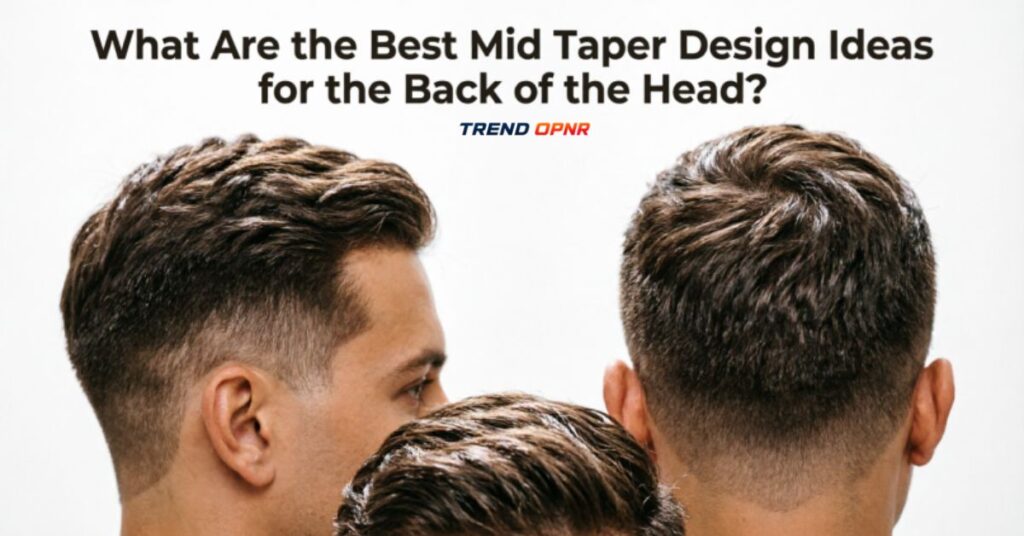
The back of the haircut offers a great space for creative details that are not always visible from the front. A Mid Taper Design around the nape can give the haircut a unique finish while keeping the sides and front neat. The right pattern depends on the shape of the back of the head, hair texture, and how bold you want the final style to look.
Back designs are available in simple, curved, and geometric patterns. A clean line can suit an everyday haircut, while a larger pattern can create a stronger statement from behind.
Nape-Specific Design Types
1. Horizontal Line Across Nape:A straight or slightly curved line can run across the width of the nape. It creates a simple and balanced appearance and works well when the back of the head has a rounded shape. On a flatter surface, the line may look different from certain viewing angles.
2. V-Taper Design:A V-shaped pattern points downward from the center of the nape. This Mid Taper Design adds vertical movement and can make the back of the head appear more defined. It is a useful option for people who prefer a clean shape with a little more character.
3. Curved Slash from Temple to Nape:A long curved line can start near one temple and sweep toward the opposite side of the nape. This style remains visible from the side, back, and three-quarter angles, making it a strong choice for anyone who wants their mid taper designs to stand out.
4. Geometric Back Panel:A triangle, diamond, or chevron can be placed around the center of the nape. These patterns need accurate placement because even small differences can affect the symmetry. Ask the barber to mark the center of the nape before creating the final lines.
Back Design Tips:The natural shape of the occipital area can change how a design looks from behind. A rounded back may suit horizontal patterns, while a flatter shape can work better with V-shaped or diagonal artwork. Tell the barber about the head shape before the cutting process begins.
A mid taper with design also needs regular attention as the hair grows. The back is difficult to monitor without a mirror or camera, so taking a weekly photo can help you notice when the lines start becoming less defined. Regular touch-ups can keep the design looking clean and balanced.
Mid-Taper Side Designs for the Temple and Sideburns
Side designs are easy to notice from the front, side, and three-quarter angles. They can add personality to the haircut without changing the overall clean appearance. A Mid Taper Design placed around the temple or sideburn can also work well with different top hairstyles.
Side Design Placement Options
1. Temple Line:A single curved line near the temple gives a clean and versatile finish. For a stronger look, two parallel lines can be added. The design should follow the natural hairline for a smoother appearance as the hair grows.
2. Hard Part:A shaved part can define the natural direction of the hairstyle. It works especially well for people who already wear their hair to one side. When the hair is brushed down, the line becomes less noticeable, while pushing the hair back makes the detail stand out.
3. Sideburn Design:A small triangle, short vertical line, or lightning-style mark can be placed where the sideburn meets the taper. This mid taper side design keeps the artwork compact while adding a noticeable detail to the side profile.
Side Design Tips:Choose a pattern that works with the natural direction of the hair. Lines that go against the growth pattern can become uneven as new hair appears. For a balanced Mid Taper Design, show the barber the exact placement you want and let them adjust the angle according to your hairline.
What Should I Tell My Barber to Get a Mid-Taper Design?
Getting the right haircut starts with explaining the details clearly. A barber can create a better Mid Taper Design when the request covers the blend, artwork location, top length, and finishing style. Instead of using general words like “make it stylish,” describe the exact result you want.
A Simple 4-Step Barber Guide
Step 1 — Describe the Taper
Start by explaining where you want the taper to begin and how short the blend should become.
“I want the taper to start around the middle of the sides and back. Keep the transition smooth and leave some weight above the blend. Keep the neckline neat and natural.”
If you know your preferred guard length, mention it. Otherwise, ask the barber to choose the best guard based on your hair thickness.
Step 2 — Explain the Design
Tell the barber the exact pattern and location. For example:
“Add one curved line near my right temple and keep it clean and simple.”
For a back design, you can say:
“Place the design around the center of my nape and make sure both sides look balanced.”
For a mid taper with design, showing a photo can make the desired shape much easier to understand.
Step 3 — Mention the Top Hairstyle
Explain how you want the longer hair on top to look. Options can include a textured crop, fringe, side part, slick back, curls, or a natural finish.
“Keep the top medium length and add some texture so it blends naturally with the taper.”
The top style should complement the artwork instead of competing with it.
Step 4 — Finish With the Details
Before the barber starts, mention your preference for the hairline, sideburns, and neckline.
“Keep the edges clean, shape the sideburns neatly, and make the design sharp without making the neckline too high.”
Use a Reference Photo
A clear reference picture is one of the easiest ways to explain mid taper designs. Show the barber the exact part of the haircut you like and point out whether the design is from the front, side, or back.
Also, consider your natural hairline and head shape before choosing the final pattern. A professional barber can adjust the design slightly to make it fit your features better.
Quick Tip
Take two or three photos of your preferred Mid Taper Design before the appointment. Showing different angles gives the barber a clearer idea of the taper, design placement, and overall finish you want.
Do Mid Taper Designs Work With My Hair Type?
Yes, Mid Taper Design styles can work with different hair textures, but the pattern and level of detail should match the way the hair grows. Straight hair usually keeps fine lines clearer, while curly and coily hair may soften small details faster. Choosing the right design can help the haircut stay balanced as it grows.Mid Taper Design Compatibility by Hair Type
| Hair Type | Design Visibility | Best Design Types | Avoid |
| Straight (Type 1) | 14–21 days | Geometric shapes, detailed lines, multi-line patterns | None |
| Wavy (Type 2) | 10–14 days | Curved lines, simple shapes, single slashes | Very detailed freestyle |
| Curly (Type 3) | 7–10 days | Bold lines, V-shapes, hard parts | Fine multi-line patterns |
| Coily (Type 4) | 5–7 days | Bold geometric shapes, strong single lines | Intricate artwork |
Curly and coily textures can make shaved patterns lose their sharpness sooner because new growth follows the natural curl pattern. Even a small amount of growth can soften the edges and reduce the contrast of a Mid Taper Design. For this reason, broader lines and simpler shapes are often easier to maintain on textured hair.
Top Style Pairings
The hairstyle on top can change how much attention the design receives. A balanced combination keeps the haircut looking organized rather than overly busy.
Textured Crop or Fringe: Pair it with a simple nape pattern. A single line or small V-shape adds detail without competing with the front.
Slick Back or Pompadour: Bold temple or sideburn artwork works well here. Since the top already creates volume, side placement can make the overall style more noticeable.
Buzz Cut or Short Afro: A nape-focused mid taper with design can become the main feature because the shorter top leaves more visual space for the artwork.
French Crop: Keep side artwork smaller because the front fringe already attracts attention. A subtle mid taper side design near the sideburn can create a cleaner balance.
When choosing mid taper designs, consider both hair texture and the top hairstyle. A simple pattern can often look more polished and stay easier to maintain than overly detailed artwork.
How Do I Choose a Design for Work vs. a Bold Statement?
Choosing a Mid Taper Design depends on your workplace, daily lifestyle, and the level of attention you want. For offices, interviews, and schools, a single temple or nape line gives a polished appearance without looking too dramatic. A simple mid taper side design can also add personality while keeping the haircut professional.
For parties, creative workplaces, events, or casual settings, geometric shapes and freestyle patterns offer a stronger look. Think about how often you can visit the barber as detailed mid taper designs need more maintenance. The best Mid Taper Design is one that matches your personality while still fitting naturally into your everyday routine.
Design Appropriateness Scale
| Design Choice | Look | Ideal Setting | Maintenance Level |
| Clean Temple Line | Simple | Office, school, interviews | Easy |
| Curved Side Slash | Stylish | Retail, creative work | Moderate |
| Triangle or Chevron | Eye-catching | Parties, events, casual days | Medium |
| Custom Freestyle | Bold | Weekends, creators, performers | High |
A clean Mid Taper Design is usually the easiest choice for professional settings because it adds style without becoming too noticeable. A small temple or nape detail can keep the haircut polished while still giving it a personal touch.
For casual environments, geometric and freestyle mid taper designs can create a stronger impression. If regular barber visits are difficult, choose a simpler mid taper side design because clean lines are easier to maintain as the hair grows.
How Long Does a Mid Taper Design Last?

A Mid Taper Design usually looks its sharpest during the first few days after the haircut. Simple lines may stay clearly visible for around 10–14 days, while detailed patterns can start losing definition sooner as new hair grows. Straight hair often keeps the design visible longer, while curly and coily textures may need earlier touch-ups.
The base taper can remain present for several weeks even after the shaved artwork starts to fade. A design refresh every 10–14 days can keep mid taper designs looking cleaner, while a full haircut is commonly needed around every 3–4 weeks. If regular visits are difficult, choosing a simple mid taper side design or bold single line can make maintenance easier.
Mid Taper Design Growth Timeline
Days 1–3: The artwork looks at its sharpest. Lines are crisp, clean, and clearly separated from the surrounding hair.
Around Day 7: The pattern remains easy to see, but the edges may start becoming softer. The haircut itself can still look fresh and well-defined.
Around Day 14: Noticeable fading begins as new growth covers the shaved lines. Curly and coily hair may lose definition earlier, while straight hair can keep the pattern visible for longer.
Around Day 21: Detailed artwork may become difficult to notice, especially with faster-growing textures. The taper also starts looking more grown out.
Day 28+: A complete haircut and fresh artwork may be needed to restore the original sharp appearance.
| Service | Recommended Timing | What It Includes | Estimated Cost |
| Design Touch-Up | 10–14 days | Line cleanup and pattern refresh | $10–$20 |
| Full Refresh | 3–4 weeks | New taper and fresh artwork | $25–$50 |
A small trimmer can be used at home to clean the neckline and sideburn edges between appointments. Avoid shaving over the actual pattern because one uneven pass can change its shape. For easier upkeep, choose a bold single line instead of a highly detailed pattern.
What Mistakes Should I Avoid?
Choosing the right pattern is only one part of getting a clean haircut. Avoid designs that do not suit the natural hairline, head shape, or hair texture. Very detailed artwork can also lose its definition quickly on fast-growing curly or coily hair, making a simpler pattern a more practical choice.
Another common mistake is giving the barber unclear instructions. Bring a clear reference photo and point out the exact area you want the design placed. Avoid trying to reshape the artwork at home, especially with a trimmer, because one uneven cut can affect the whole look. Good placement, clear communication, and suitable maintenance can help keep the haircut sharp for longer.
5 Common Mid Taper Design Mistakes
1. Choosing the Wrong Nape Shape: A straight line may look uneven when placed on a flatter back of the head. Ask the barber to check the nape area first and consider a V-shaped or angled pattern if it suits the head shape better.
2. Ignoring a Cowlick: A strong cowlick can change the appearance of a shaved line as the hair grows. Tell the barber about any noticeable cowlick so the design can be moved or shaped around it.
3. Using Too Much Detail on Coily Hair: Fine patterns can lose their definition quickly when new growth appears. Bold lines and simple geometric shapes are often easier to maintain and keep looking clean.
4. Skipping the Reference Photo: Explaining the design only with words can lead to a different result. Show the barber a clear image and point out the exact pattern, angle, and placement you prefer.
5. Fighting the Natural Hairline: A design that goes against the natural direction of the hair may look uneven after a few days. Let the barber examine the hairline and adjust the angle so the pattern follows its natural growth.
Mid taper design straight hair
Mid taper design for straight hair works especially well because the smooth texture gives shaved lines and geometric patterns a clean, sharp appearance. Simple temple lines, hard parts, chevrons, and detailed shapes can stand out clearly against the straight hair. A balanced top style can also make the design look more polished from different angles.
For straight hair, both subtle and creative patterns can work depending on personal style and workplace needs. If you want an easy everyday look, choose one clean line or a small geometric shape. For a bolder finish, try a multi-line or custom pattern, while keeping regular touch-ups to maintain crisp edges as the hair grows.
Mid Taper Design for Men
A Mid Taper Design for men offers a clean base with room for personal detail. A simple temple line, sharp hard part, or geometric pattern can make the haircut more distinctive without changing its balanced appearance. The design can also be matched with short, textured, curly, or naturally styled hair.
Mid Taper Design on the Side
A Mid Taper Design on the side is easy to notice from front and side angles. Temple lines, curved slashes, and small geometric shapes work well in this area. A simple mid taper side design is a practical choice for an everyday look, while double lines or bolder patterns can create a stronger finish.
Mid Taper Fade
A Mid Taper Design can also be combined with a fade-inspired finish for a sharper appearance. The blend creates contrast around the sides and back, while the shaved detail adds extra character. This option suits people who prefer a more defined haircut with a modern edge.
Simple Mid Taper Designs
Simple mid taper designs are ideal for anyone who wants style without heavy maintenance. Single lines, small curves, and minimal hard parts provide a clean finish and can suit professional as well as casual settings.
Mid Taper With Design on the Back
A Mid Taper Design on the back creates a noticeable detail around the nape. V-shapes, chevrons, curved lines, and small geometric patterns can work well here. The barber should consider the natural shape of the back of the head before placing the design so the final pattern looks balanced.
How to Make Your Mid Taper Design Look More Stylish
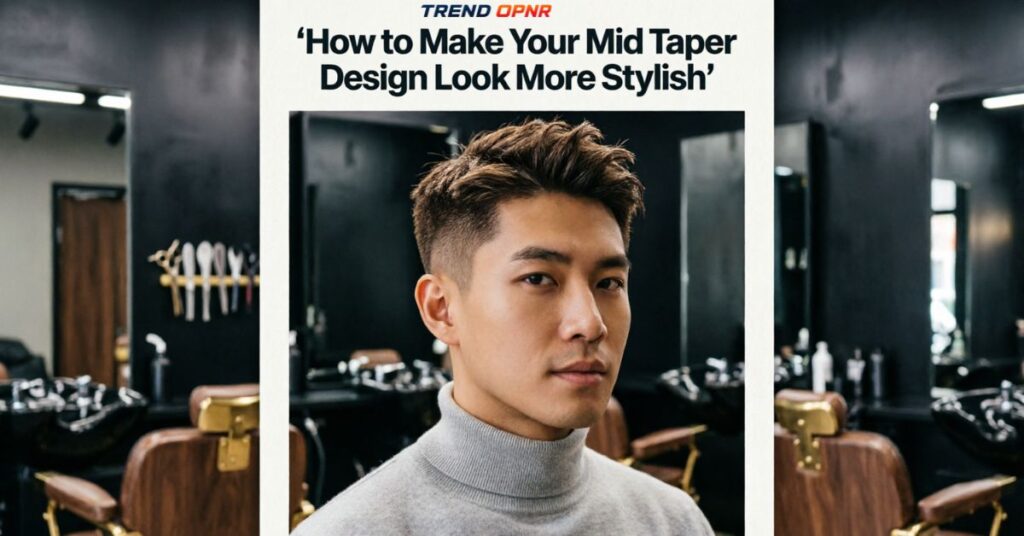
The right combination of haircut, design placement, and top hairstyle can make the whole look feel more polished. A well-planned pattern should work with your hair texture, face shape, and daily routine instead of looking disconnected from the haircut. Simple details can give a clean finish, while larger artwork can create a stronger statement.
Match the Design With Your Face Shape
Choose a pattern that complements your natural features. Curved lines can create a softer appearance, while sharp geometric shapes can add more definition. Your barber can also adjust the angle and placement to suit your face.
Choose the Right Design Size
Small patterns are ideal for a subtle everyday appearance, while larger artwork creates more visual impact. Keep the size proportional to the haircut so the design does not overpower the top or sides.
Keep the Top Hairstyle Balanced
The top can include curls, texture, a crop, slick back, or a short natural style. Try to keep the top and shaved artwork balanced so both elements complement each other rather than competing for attention.
Consider Your Daily Lifestyle
Think about where you normally wear the haircut. A simple pattern can work well for school, offices, and formal events, while creative or detailed designs may be better suited to casual settings, weekends, and special occasions.
Refresh the Design Regularly
Fresh lines make the haircut look cleaner and more defined. Schedule regular barber visits based on how quickly your hair grows. Simpler patterns are also easier to maintain between appointments than intricate artwork.
Conclusion
A Mid Taper Design is a flexible choice for anyone who wants a clean haircut with a personal touch. Simple lines work well for professional settings, while geometric and freestyle patterns can create a stronger look. The right placement around the temple, side, or nape can make the haircut stand out without losing its balanced appearance.
Hair texture, head shape, and maintenance also play an important role in choosing the right pattern. A clear reference photo and simple instructions can help the barber create the desired result. With suitable design selection and regular touch-ups, mid taper designs can stay neat, stylish, and easy to manage for different lifestyles.
FAQs
What is a Mid Taper Design?
A Mid Taper Design combines a medium-level taper with shaved lines, curves, or creative patterns around the sides, temple, or nape.
Does a Mid Taper Design work with curly hair?
Yes. Bold lines, V-shapes, and simple patterns usually work well with curly hair and are easier to maintain as the hair grows.
How long do mid taper designs stay sharp?
Most designs look sharp for around 7–14 days. Straight hair may keep the details visible longer, while curly and coily textures can need earlier touch-ups.
What is the best mid taper side design for work?
A single temple line, small hard part, or subtle side pattern is a good choice for professional environments because it adds detail without looking too bold.
How often should a Mid Taper Design be maintained?
A design touch-up is commonly needed every 10–14 days, while the full taper can usually be refreshed every 3–4 weeks.

