
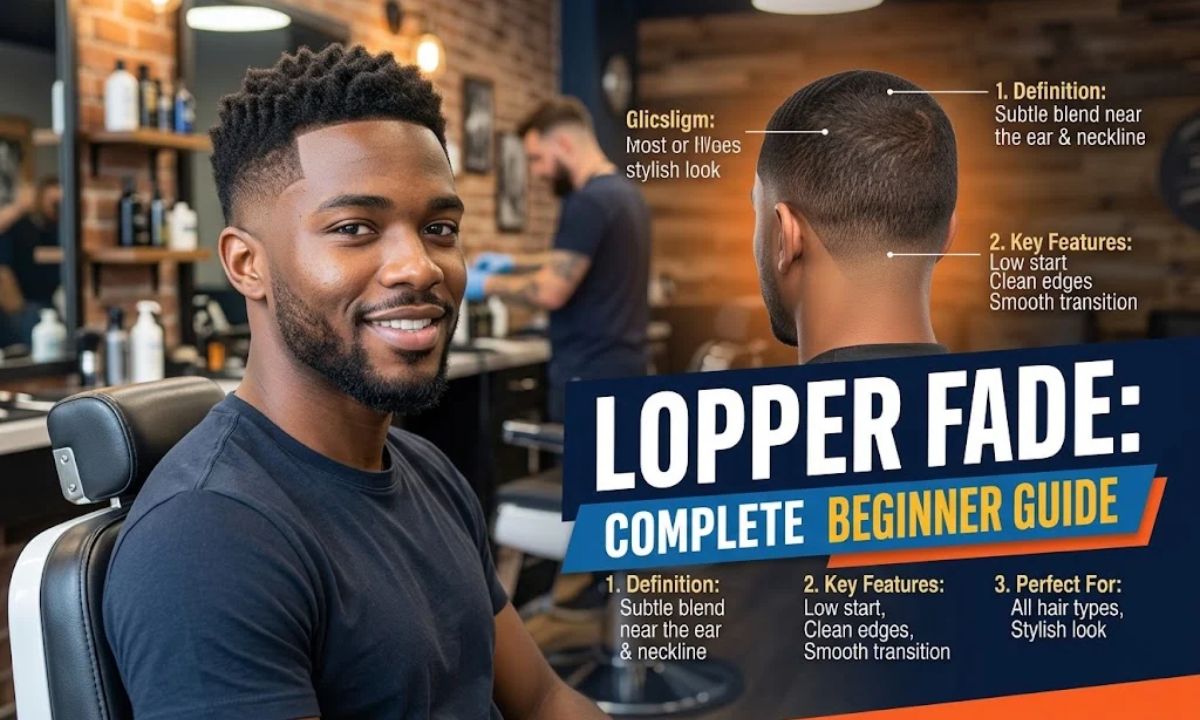

A low taper fade is one of the most requested men’s haircuts in barbershops today, and it’s easy to see why. It keeps the sides and back neat with a gradual blend near the ears and neckline, while leaving the top long enough to style. If you’re booking your first fade or simply want to understand the cut before your next appointment, this guide covers everything beginners need to know about the cut, including what it is, how it differs from similar cuts, styling tips, maintenance, and common mistakes to avoid.
What Is a Low Taper Fade?
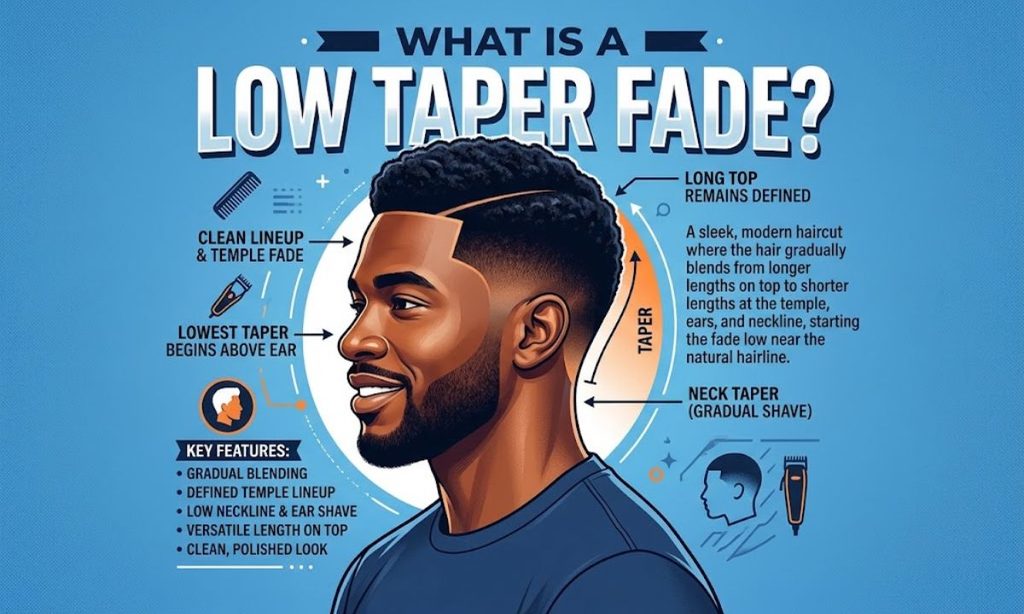
A low taper fade is a men’s haircut where the hair gradually shortens from longer on top to very short near the ears and nape of the neck, with the fade line starting low on the head rather than higher up near the temples.
The defining trait of this haircut is subtlety. Because the blend begins low, only a small section of hair near the hairline is affected, which keeps the overall look conservative and easy to wear in almost any setting. The top can stay as short or as long as you like, which is what makes it so flexible for different hair types and personal styles.
Barbers typically create this cut using clippers with interchangeable guards, gradually decreasing the guard size as they move down toward the skin. The result is a smooth gradient instead of a hard line, which is the technical definition of a “fade” in barbering.
What Does “Taper” Mean?
In barbering terms, a taper refers to hair that gradually gets shorter toward the hairline, ears, and neck without necessarily fading all the way down to the skin.
A taper is less dramatic than a full fade because it keeps slightly more length throughout, rather than cutting down to bare skin at the shortest point. When a taper is combined with a true fade technique, you get a taper fade, and when that blend starts low on the head, you get a low taper fade specifically.
Understanding this distinction matters because it directly affects how you communicate with your barber. Asking for “a taper” alone usually results in a softer, less contrasted cut than specifying exactly where you want the fade to begin.
Difference Between Low Taper Fade, Low Fade, and Taper Fade
These three terms get mixed up constantly, even among people who get fades regularly. Here’s a simple breakdown.
| Haircut | Where It Starts | Contrast Level | Best For |
| Low Taper Fade | Just above the ears and neckline | Low to moderate | Professional, conservative settings |
| Low Fade | Low on the head, often wraps further around | Moderate to high | Guys who want a cleaner, bolder edge |
| Taper Fade | Can start anywhere from low to high on the head | Varies by placement | Anyone wanting a customizable blend |
Low Taper Fade
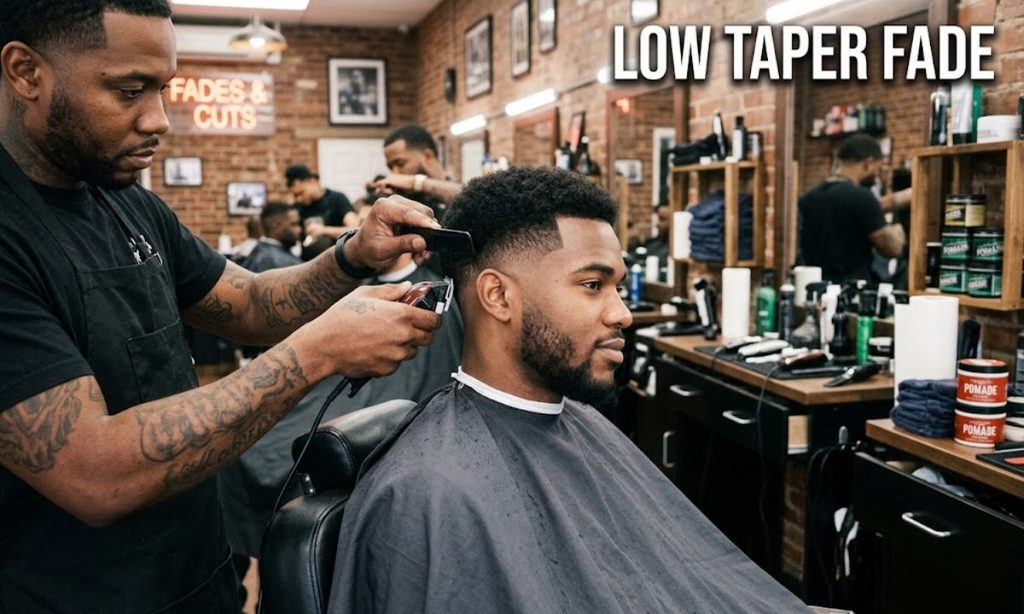
This cut starts its blend very close to the ears and the back of the neck, leaving the majority of the head with longer, untouched hair. That placement is why it’s often described as the most understated version of a fade haircut.
Low Fade
A low fade also begins low on the head, but it tends to wrap more fully around the sides and back, creating slightly more visible contrast than a basic taper. A low fade is a great middle ground between a subtle taper and a dramatic high fade.
Taper Fade
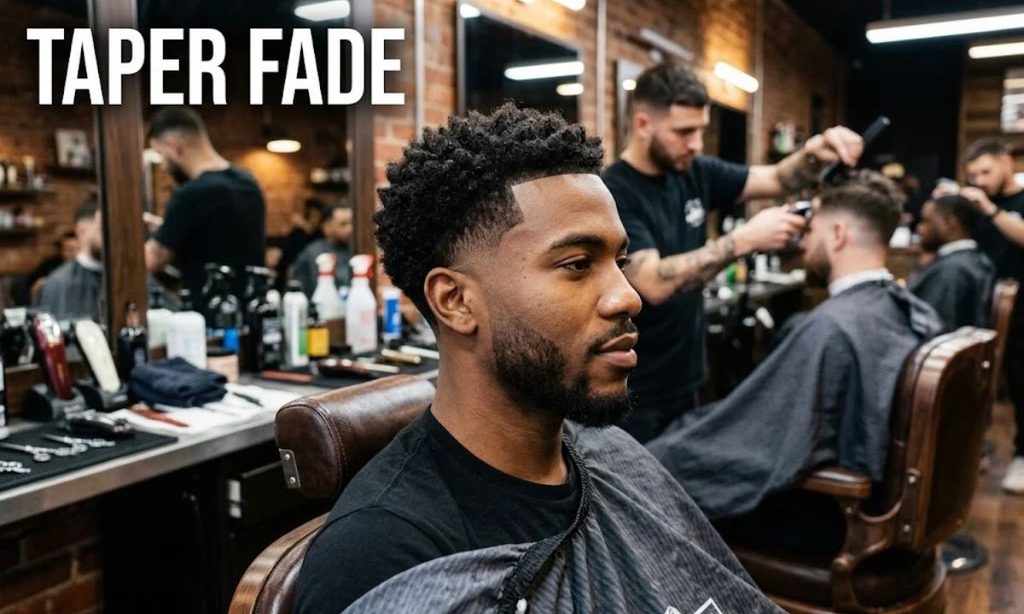
A taper fade is the umbrella term for any fade that blends gradually rather than abruptly, and it can be positioned low, mid, or high on the head. The low version is technically one specific variation, defined by where the blend begins.
Why the Low Taper Fade Is a Smart Choice

A low taper fade works well because it offers the clean, structured look of a fade without the maintenance demands or boldness of a high or skin fade. It’s a practical choice for beginners who aren’t sure how much contrast they want yet.
Clean Appearance:
This cut removes bulk and stray hair around the ears and neckline instantly, which makes the entire haircut look sharper even if the top isn’t heavily styled.
Professional Look
Because the fade sits low and the contrast is subtle, a low taper fade reads as polished and appropriate in office environments, interviews, and formal settings. Many men choose it specifically because it won’t raise eyebrows at a conservative workplace.
Easy to Maintain
A low taper fade grows out more forgivingly than a high or skin fade, meaning you can go longer between barber visits without the cut looking messy or unbalanced.
Grows Out Nicely
Since the fade starts low, regrowth is far less noticeable compared to higher fades. This cut can still look presentable two to three weeks after a trim, which isn’t the case with sharper, higher-contrast fades.
Who Should Get a Low Taper Fade?
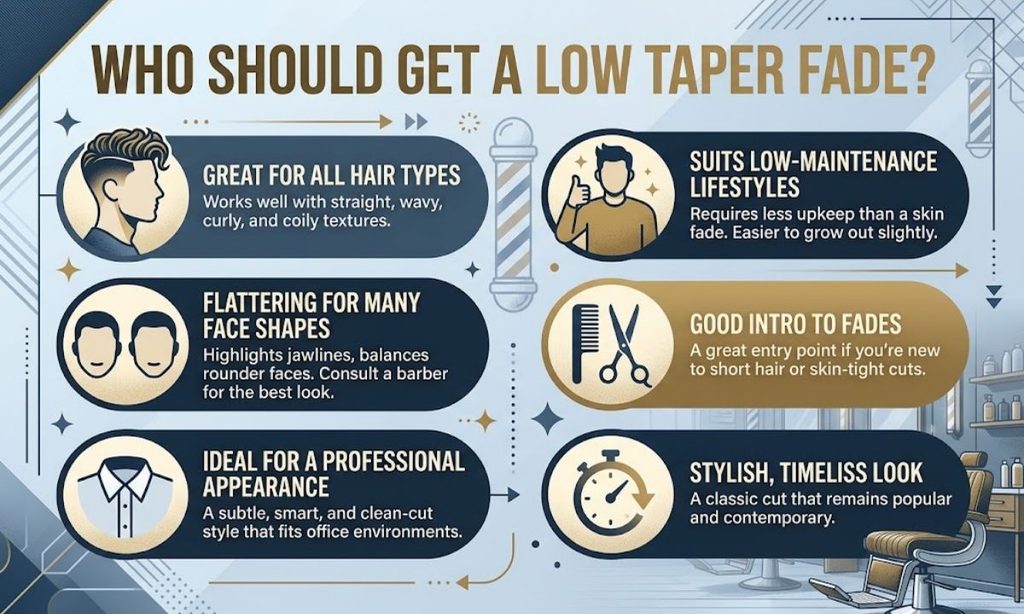
A low taper fade suits nearly every face shape, hair texture, and lifestyle, which is a major reason for its popularity. It works equally well on straight, wavy, curly, and coily hair types.
This haircut is a strong option if you fall into any of these categories:
- First-time fade wearers who want a subtle introduction to the style
- Students who need a neat, rule-friendly haircut
- Professionals in corporate or client-facing roles
- Anyone with an oval, round, or square face shape looking for a flattering, balanced cut
- Guys who want low maintenance between barber appointments
Best Low Taper Fade Styles for Beginners
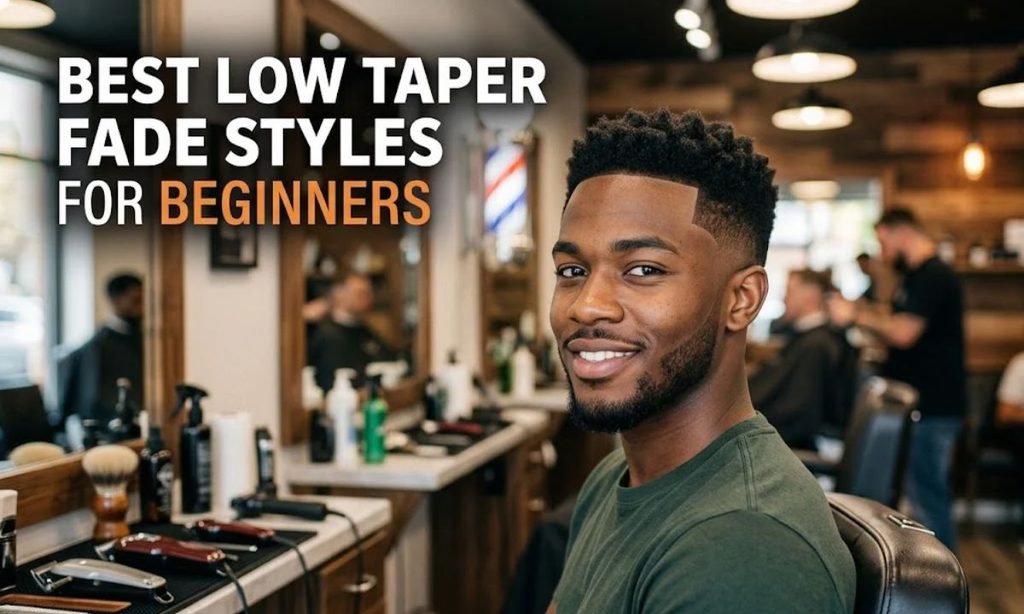
Beginners don’t need to commit to anything dramatic. This cut pairs naturally with simple, easy-to-style tops.
- Crop top: Short, textured hair on top for a clean, no-fuss look.
- Side part: A classic, polished option suited to interviews and formal events.
- Curly top: Lets the natural curl pattern stay visible while the sides stay tidy.
- Light beard pairing: Softens the jawline and complements the fade’s subtlety.
- Comb-over: A versatile style that transitions from day to night easily.
How to Ask Your Barber
Clear communication is the single biggest factor in getting a haircut you’re happy with. Vague requests lead to inconsistent results.
- Say the exact name: ask for “a low taper fade,” not just “a taper” or “a fade.”
- Specify where it should start, for example “right above my ears” or “at the neckline.”
- Bring a reference photo similar to what you want.
- Mention your hair type (straight, wavy, curly, coily) so the barber adjusts technique accordingly.
- Decide how much length you want left on top before you sit in the chair.
How to Style a Low Taper Fade
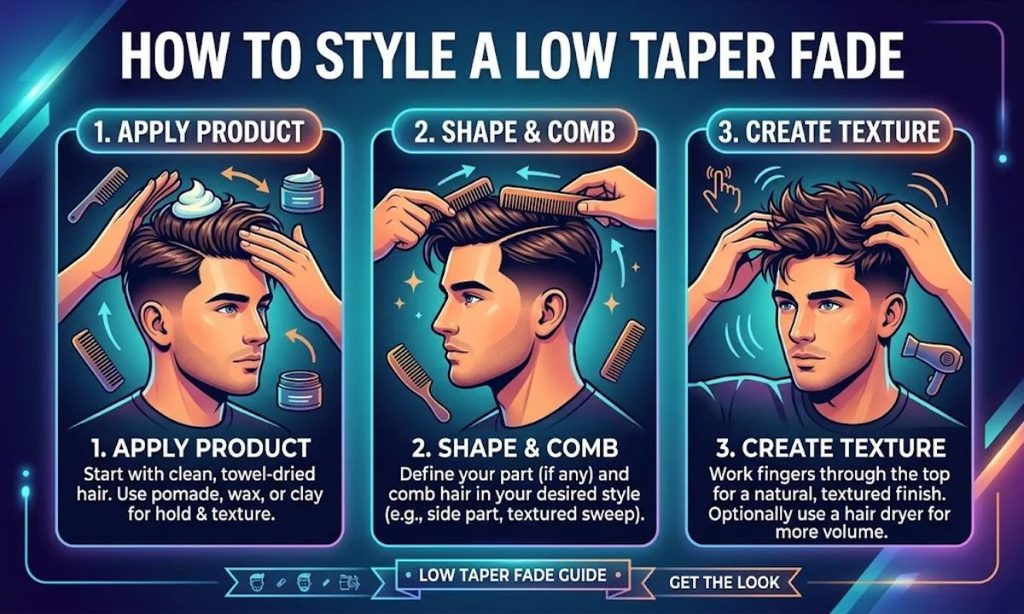
Styling a low taper fade is straightforward once the cut itself is done correctly, since most of the work happens on top rather than on the faded sides.
- Start with towel-dried, not soaking wet, hair.
- Apply a small amount of product evenly through the top section.
- Use your fingers or a comb to shape the hair in your preferred direction.
- Blow-dry on a low or medium setting for added volume if desired.
- Finish with a light-hold spray if you need the style to last all day.
Product Guide:
The right product changes how this haircut looks day to day. Choose based on your hair type and the finish you want.
Read More: Boys’ Haircuts for Straight Hair 2026: 20 Styles That Actually Work
| Product | Best For | Finish |
| Matte clay | Thick or wavy hair | Natural, non-shiny texture |
| Pomade (water-based) | Straight or fine hair | Sleek, defined shine |
| Curl cream | Curly or coily hair | Defined curls, no frizz |
| Sea salt spray | Beach-wave or tousled looks | Textured, matte finish |
| Light-hold gel | All hair types needing hold | Clean, controlled shape |
How to Maintain a Low Taper Fade Properly
A low taper fade needs regular upkeep to stay sharp, even though it’s more forgiving than higher fades between visits.
- Book a trim every two to four weeks to keep the fade line crisp.
- Wash hair with a sulfate-free shampoo two to three times a week to avoid drying out the scalp.
- Moisturize the scalp if the faded sides feel tight or itchy after cutting.
- Avoid touching freshly faded sides with heavy products, which can clog pores near the hairline.
- Communicate with your barber at each visit about whether the fade should stay the same or move slightly.
Common Beginner Mistakes
Most problems with a first low taper fade come down to communication or aftercare, not the haircut itself.
- Not specifying “low” and ending up with a mid or high fade instead.
- Waiting too long between trims, causing the blend to lose its shape.
- Using heavy, greasy products that weigh down fine or thin hair.
- Skipping a reference photo, which leaves too much room for interpretation.
- Washing hair too infrequently, which can make styling product build up and look dull.
Cost of a Low Taper Fade
A low taper fade typically costs between 20 and 60 US dollars, depending on the barbershop, location, and whether add-ons like a beard trim or hot towel service are included.
Walk-in barbershops in smaller towns tend to sit at the lower end of that range, while upscale grooming lounges and salons in major cities charge more for the same basic service. Tipping your barber 15 to 20 percent is standard practice, especially if you plan on becoming a regular client.
Final Thoughts
A low taper fade is a dependable, low-risk haircut that works for nearly anyone, regardless of hair type, face shape, or lifestyle. It delivers a clean, professional finish without the upkeep demands of bolder fades, which is exactly why it has become a go-to choice for beginners and experienced fade wearers alike. Whether you’re walking into a barbershop for the first time or switching from a different cut, it’s a safe, versatile place to start.
Frequently Asked Questions
Is low taper fade good for first haircut?
Yes, a low taper fade is considered one of the best first fades because it’s subtle, forgiving as it grows out, and low risk compared to higher-contrast fades.
Does it work for curly hair?
Yes, a low taper fade works well with curly hair because it keeps the sides neat while allowing natural curl volume and texture to remain visible on top.
Is it allowed in schools?
In most schools, a low taper fade is considered an acceptable, conservative haircut, though dress code policies vary by institution, so checking local rules is recommended.
How long does it stay fresh?
A low taper fade typically stays looking sharp for two to four weeks before regrowth starts to soften the fade line and a trim is needed.
Does it need daily styling?
No, a low taper fade generally requires minimal daily styling, especially with shorter top lengths, though longer tops benefit from a small amount of product each day.

