
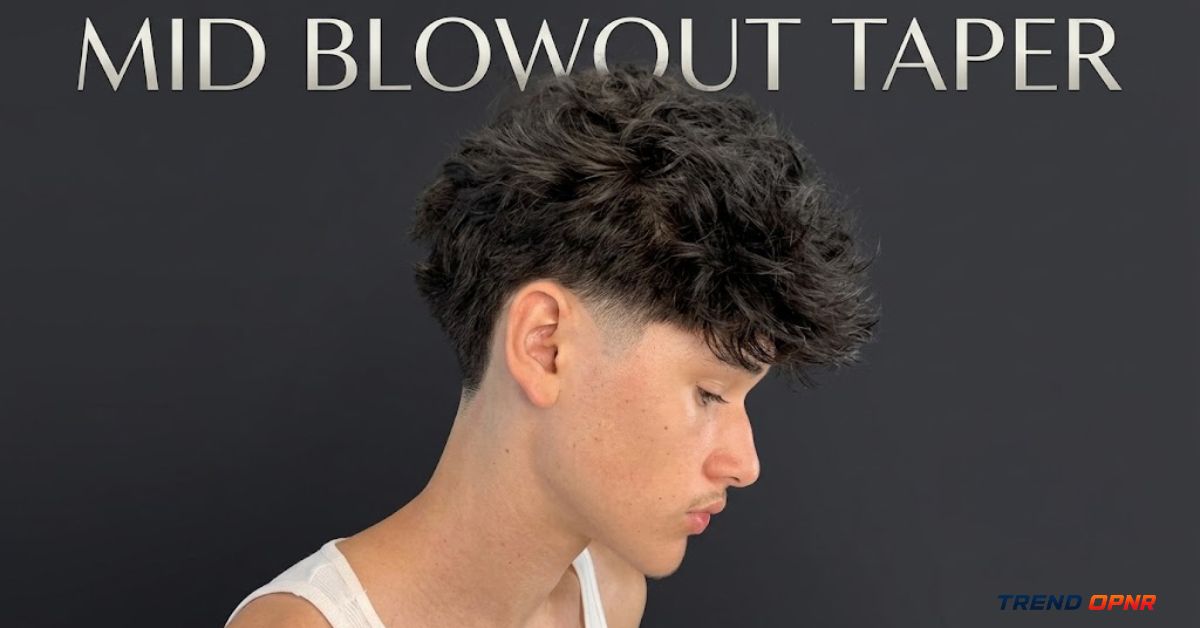

A Mid Blowout Taper combines controlled tapering around the temples and neckline with noticeable volume through the upper sides and top. The result is a clean but expressive men’s haircut that keeps the edges neat while allowing the hair above them to look fuller, textured, and naturally lifted. Unlike a traditional fade, the transition does not remove large sections of hair from the sides, so the finished cut can retain a softer silhouette.
The appeal of a Mid Blowout Taper is its flexibility. It can be adapted to straight hair, wavy hair, curly hair, coily hair, fine hair, and thin hair by changing the top hair length, taper height, texture, and styling method. Whether you want a textured fringe, middle part, slicked-back hair, or a more dramatic blowout taper haircut, knowing the right barber terminology makes the difference between an ordinary trim and the exact shape you intended.
What Is a Mid Blowout Taper?
A Mid Blowout Taper is a taper haircut that begins around the middle area of the temples and gradually reduces hair toward the ears, sideburns, and neckline. The top remains significantly longer, giving the hairstyle its characteristic blow-dried volume and movement. Instead of creating a skin level transition across the entire side, the barber preserves more natural density above and around the taper.
The defining feature of a Mid Blowout Taper is the relationship between the clean perimeter and the fuller upper section. A good mid blowout taper haircut should look connected rather than abruptly separated. The barber controls the tapered sides while leaving enough length to create texture, lift, and direction. Depending on your preference, the top can contain 3 to 5 inches hair or another length suited to your texture and styling goals.
This cut is also sometimes described as a mid taper haircut, mid taper fade, or blowout taper. Technically, the exact finish depends on how much hair is removed and how high the transition is taken. A traditional taper focuses strongly on the temple and neckline, while a fade usually creates a more extensive reduction along the sides.
The Mid Blowout Taper works especially well for people who want a clean haircut without sacrificing volume. It sits comfortably between relaxed and polished styling, which is why it can work as both a casual look and a professional haircut when the edges and top are controlled.
Read More: Low Taper Fade Wavy Hair: 25 Best Styles (2026)
Where Does the Taper Actually Start?
The taper generally begins around the middle portion of the temple and gradually blends downward. The barber may keep the area directly above the ear fuller while reducing hair around the temple and sideburn. The neckline receives a similar treatment, creating a tapered neckline instead of a hard horizontal finish.
When discussing the cut, ask your barber to keep the taper at the temple rather than taking the entire side extremely short. This distinction matters because a mid taper can still retain visible density around the upper side. The final taper height should be selected according to your haircut face shape, hair density, and preferred amount of contrast.
A lower transition can create a softer appearance, while a higher transition makes the cut look more noticeable. The goal of the Mid Blowout Taper is to create enough height to be recognizable without turning the entire side into a conventional high fade.
What Does a Mid Blowout Taper Look Like?
A Mid Blowout Taper typically has fuller hair on top, gradually reduced hair near the temples, clean sideburns, and a controlled neckline. The upper hair is usually styled away from the face or upward so the silhouette appears broader and more voluminous. This makes the cut especially attractive for modern men’s hairstyles where texture and movement are important.
The finished shape can vary considerably depending on hair type. Straight hair may create a cleaner and more structured outline, while wavy hair naturally produces movement. Curly hair can produce a rounded and highly textured appearance, and coily hair can create an especially bold silhouette when the taper is combined with a defined natural texture.
The blowout effect comes primarily from styling rather than the taper itself. A blow-drying technique can direct the hair upward and outward, while styling products can preserve the shape. Someone with naturally thick hair may achieve impressive hair volume with minimal product, while someone with fine or thin hair may need lightweight volumizing products to create the same effect.
A well executed Mid Blowout Taper should also maintain balance between the top and sides. If the sides are taken too high, the haircut can start resembling a mid taper fade rather than a softer blowout style. If the top is left too heavy without proper shaping, the hairstyle may lose its lifted appearance.
What Are the Mid Blowout Taper Variations?
There are many Mid Blowout Taper variations because the haircut can be modified through fringe placement, parting, slicking, texture, and taper shape. The basic taper remains consistent, but the styling direction changes the personality of the cut.
For example, a textured fringe gives the haircut a youthful and relaxed appearance, while a middle part makes it more balanced and fashion focused. Slicked-back hair produces a cleaner profile, while a burst taper or mid burst taper can make the area around the ear more dramatic. These variations allow the same foundation to work across different masculine hairstyles.
Adding a Textured Fringe
A textured fringe works well when you want the front to fall slightly toward the forehead instead of being pushed completely upward. Ask the barber to preserve enough top hair length for separation and movement. The fringe should not be cut into a single heavy block unless that is specifically what you want.
For straight hair, texture can prevent the front from looking too flat. Wavy hair can make the fringe naturally irregular, while curly hair can create a softer and more dimensional finish. A small amount of texture clay or another styling product can separate individual sections without making the hair look overly stiff.
This version is particularly useful for people searching for a Mid Blowout Taper textured fringe because it combines the clean temple area with a relaxed front. It can also work as a professional haircut when the fringe is kept controlled rather than excessively long.
Adding a Middle Part
A middle part changes the visual balance of the haircut by dividing the top into two sections. The sides remain tapered while the upper hair flows away from the center. This variation can create a sophisticated modern taper style without requiring a severe fade.
The middle part is easiest to maintain when the hair has enough length to naturally separate. Straight and wavy hair often make the part easy to establish, while curly and coily textures may require a different approach. Your barber can shape the top around your natural hair texture rather than forcing a perfectly straight division.
A Mid Blowout Taper with a middle part can look especially effective when the hair is dried backward and outward. A small amount of sea salt spray may provide texture before blow drying, while a lightweight clay can provide final control.
The Slicked-Back Version
The slicked-back version uses the longer top to create a cleaner and more mature silhouette. The taper around the temple and neckline keeps the perimeter controlled while the upper hair is directed toward the back.
For a softer appearance, avoid saturating the hair with heavy products. A small amount of styling cream or texture clay can provide control without removing the natural movement created during drying. The goal is usually controlled flow rather than a completely rigid surface.
This variation can also make the Mid Blowout Taper suitable for formal occasions. When the top is properly shaped and the neckline is clean, it can function as a workplace-friendly haircut while still retaining the visual character of a blowout taper haircut.
The Burst Taper Variation
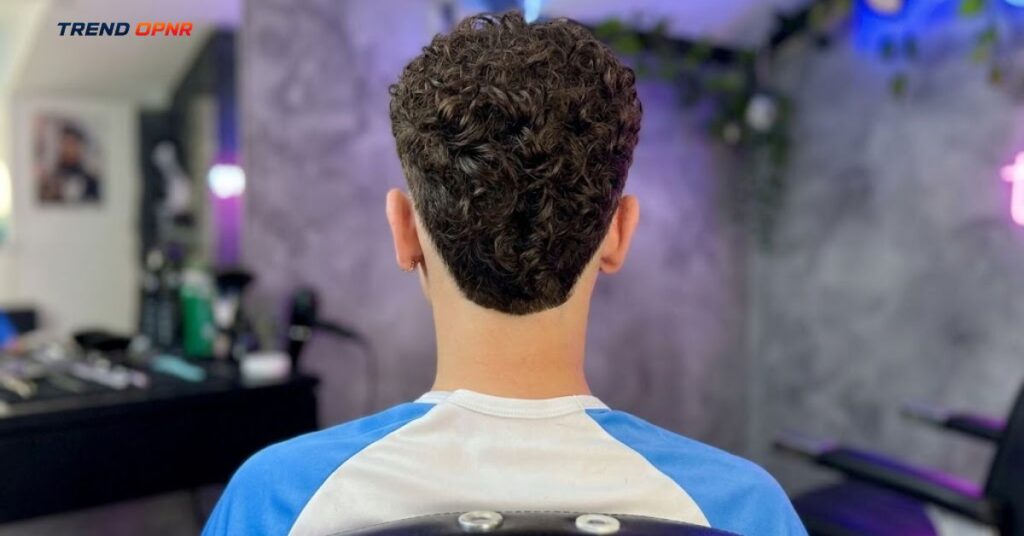
A burst taper concentrates the transition around the ear and creates a curved shape that can make the sides look more dynamic. A mid burst taper takes this concept to a more noticeable level while still preserving length in strategic areas.
The distinction between a standard Mid Blowout Taper and a burst taper depends on how the barber shapes the area surrounding the ear. A burst taper can produce a stronger rounded effect, whereas a conventional taper usually has a more understated transition.
If you want a burst taper, show your barber a haircut reference photo and explain how much density you want preserved above the ear. Barber terminology can differ, so visual communication is especially useful for this variation.
How Do You Ask Your Barber for This Cut?
The easiest way to request a Mid Blowout Taper is to explain three things: where you want the taper, how much length you want on top, and how you want the top styled. Saying only “give me a taper” leaves too much room for interpretation because taper height and shape can vary significantly.
A useful barber script is: “I want a Mid Blowout Taper. Keep the top long enough for volume and movement, taper the temples and neckline around the middle height, keep the sides connected, and do not take the fade too high. I want the top styled with a natural blowout rather than looking flat.”
If you want more texture, add: “Keep the top hair length long enough for a textured finish and leave enough weight for my natural texture.” If you want a cleaner result, mention whether you prefer a natural edge-up or sharp edge-up.
Hair Type and Styling Guide
| Hair Type | Main Challenge | Recommended Approach | Useful Products |
| Straight Hair | Hair can become flat | Lift the roots during blow drying | Volumizing mousse, sea salt spray |
| Wavy Hair | Maintaining natural wave pattern | Use controlled drying and light styling | Sea salt spray, light texture clay |
| Curly Hair | Managing curl definition and shrinkage | Shape curls while preserving natural texture | Curl cream, diffuser |
| Coily Hair | Managing shrinkage and density | Keep natural texture while controlling the perimeter | Lightweight curl products |
| Fine Hair | Limited natural volume | Preserve density and avoid excessive thinning | Volumizing mousse, lightweight styling products |
| Thin Hair | Hair can appear weaker when over cut | Keep strategic length and use lightweight products | Root lifting and volume focused products |
Natural Edge or Sharp Edge-Up?
A natural edge-up follows the existing hairline with minimal artificial reshaping. It is ideal when you want the Mid Blowout Taper to grow out naturally and remain soft around the forehead and temples.
A sharp edge-up creates a more defined outline. It can make the haircut appear freshly finished, especially when paired with clean tapered sides. However, an overly aggressive line can make the haircut look less natural as the hair grows.
Tell your barber exactly which finish you prefer. If you want a clean haircut with a relaxed appearance, a natural edge-up is often easier to maintain. If you enjoy highly defined modern styles, a sharp edge-up can provide stronger visual contrast.
Consultation or Walk-In?
A barber consultation is useful when your hair texture, density, or desired shape requires customization. Discuss your current length, previous taper, natural growth pattern, and preferred styling routine before the barber starts cutting.
A walk-in can work when you already know the terminology and regularly get the same haircut. Still, bring a haircut reference photo if the exact shape matters. A reference photo can communicate details that barber instructions cannot fully describe.
The best consultation covers taper height, top hair length, neckline shape, sideburn taper, texture, and the amount of volume you want. Ask whether your hair growth and natural hair texture will support the style before committing to a significant change.
Does This Haircut Work With Your Hair Type?
The Mid Blowout Taper is highly adaptable because the taper itself is only one part of the hairstyle. The top can be shaped according to density, curl pattern, strand thickness, and natural movement.
Your barber should adjust the cutting method instead of trying to force every hair type into the same shape. Hair shrinkage is particularly important with curly and coily hair because the visible length when dry may be considerably shorter than the stretched length.
Straight Hair
Straight hair provides a clean foundation for a Mid Blowout Taper because the taper and top are easy to see. The main challenge is creating enough lift so the hairstyle does not collapse against the head.
A blow-drying technique that lifts the roots can create volume. Sea salt spray can add texture before drying, while a small amount of texture clay can help maintain separation afterward.
If your straight hair is thick, ask the barber to remove enough internal weight to create movement without making the top too thin. The goal is controlled hair volume rather than excessive bulk.
Wavy Hair
Wavy hair naturally supports the blowout concept because it already contains movement. A Mid Blowout Taper can emphasize those waves while keeping the temple and neckline clean.
Avoid over brushing the waves during styling because excessive manipulation can reduce natural texture. A lightweight styling product can help preserve the pattern while a diffuser or controlled blow dryer styling technique can add lift.
Wavy hair also makes the textured haircut variation particularly easy to achieve. The natural bends create separation without requiring large amounts of product.
Curly Hair
Curly hair can produce a strong and distinctive blowout taper haircut. The taper gives structure to the sides while the curls create volume across the top.
A curl cream can help define the curls, while a diffuser can dry them without creating unnecessary disturbance. Curly hair shrinkage should also be considered when deciding the desired top hair length.
Tell your barber whether you normally wear your curls stretched, defined, or naturally shrunken. This information helps determine how much length to leave and how the shape will look after washing.
Coily Hair
Coily hair can create an exceptionally bold silhouette when combined with a Mid Blowout Taper. The taper can clean the temple and neckline while preserving the natural density above.
Natural hair texture should remain part of the design rather than being treated as a problem to remove. The barber can shape the upper section while controlling the perimeter.
Because curly hair shrinkage and coily hair shrinkage can significantly change the visible length, discuss your normal styling state with the barber. The finished haircut should be evaluated according to how you actually wear your hair.
Fine or Thin Hair
Fine hair can still support a Mid Blowout Taper, but excessive thinning can make the top appear weaker. The barber should preserve strategic density and use texture carefully.
A volumizing mousse can add body before blow drying, while lightweight hair volume products can create lift without making the hair greasy. Avoid applying excessive heavy product because it can flatten fine strands.
If your hair is thin, a slightly shorter textured top may sometimes look fuller than an excessively long top. The ideal length depends on density and how well your hair holds volume.
Mid vs. Low vs. High Taper
| Taper Style | Taper Height | Overall Appearance | Best For |
| Low Taper | Close to the lower temple and neckline | Subtle and conservative | Professional and low maintenance styles |
| Mid Blowout Taper | Around the middle temple area | Balanced and noticeably defined | Volume focused modern hairstyles |
| High Taper | Higher on the sides | Strong contrast and bold appearance | Dramatic and fashion forward looks |
| Mid Burst Taper | Curved around the ear at a medium height | Rounded and distinctive | People wanting a more noticeable variation |
How Do You Style This Cut at Home?
Styling a Mid Blowout Taper begins with damp hair rather than completely dry hair. Apply a suitable product, then direct the roots in the desired direction while using a blow dryer. Lift the hair at the roots and move air through the top rather than simply blasting the surface.
For maximum volume, dry the sides slightly outward while directing the top upward or backward. Once the basic shape is established, reduce heat and finish with a lighter setting. This creates a voluminous hairstyle without making the hair look excessively stiff.
Your hair styling routine should match your texture. Straight hair may need more root lift, wavy hair may benefit from controlled drying, and curly hair may respond better to a diffuser. Coily hair may require a different preparation method based on the way the curls are normally worn.
Match Your Product to Your Hair Type

Product selection should be based on what your hair needs rather than what is currently trending. Fine hair often benefits from lightweight products, while thick textured hair may require stronger control.
For volume, volumizing mousse is useful before drying. Sea salt spray can add texture to straight or wavy hair, while texture clay can provide separation after the hair is dry. Curly hair often works well with curl cream, particularly when paired with a diffuser.
Do not combine every product at once. Too many styling products can create buildup and reduce hair volume. Start with one preparation product and one finishing product, then adjust according to the result.
How Long Between Touch-Ups?
Most people can maintain a clean Mid Blowout Taper by scheduling a haircut touch-up when the temple, sideburn, or neckline begins losing definition. The exact timing depends on hair growth and how precise you want the perimeter to remain.
A person who prefers a very clean edge may book a touch-up sooner, while someone who likes a natural taper grow-out can wait longer. Regular neckline cleanup can also preserve the appearance between full haircut appointments.
Your haircut maintenance schedule should therefore be based on growth speed rather than a fixed rule. Fast hair growth may require more frequent visits, while slower growth can allow more time between appointments.
Mid vs. Low vs. High Taper: Which Wins?
The main difference between a mid taper, low taper, and high taper is taper height. A low taper keeps the transition closer to the lower temple and neckline, while a high taper moves the reduction farther upward. A mid taper sits between those two choices.
A Mid Blowout Taper is often a useful middle ground because it creates visible definition without removing too much side density. A low taper can appear softer and more conservative, while a high taper creates stronger contrast.
Mid Taper vs Low Taper
The mid taper vs low taper comparison comes down to visibility and softness. A low taper keeps more of the natural side shape and is often easier to blend into conservative styles.
The Mid Blowout Taper produces a more noticeable transition and can support a larger, more voluminous top. If you want a subtle professional haircut, low taper may be preferable. If you want more visual structure, the mid option offers stronger definition.
Mid Taper vs High Taper
The mid taper vs high taper decision depends largely on how much side density you want to preserve. A high taper creates a stronger contrast and can make the top appear even more prominent.
The Mid Blowout Taper is generally more balanced for people who want a dramatic top without completely exposing the upper sides. It can also be easier to adapt to different haircut face shape requirements.
Choosing According to Face Shape
A haircut for round face shapes often benefits from added height because vertical volume can visually lengthen the appearance of the face. Avoid creating excessive width at the sides if that is not your goal.
A haircut for square face shapes can emphasize the naturally strong jawline, making a structured taper particularly effective. A haircut for oval face shapes is highly flexible because many proportions work naturally with this facial structure.
Your barber should consider the entire silhouette rather than choosing a taper solely because it is fashionable. The taper height, top length, fringe position, and side volume should work together.
Mid Blowout Taper at a Glance
| Feature | What to Ask For | Why It Matters |
| Taper Height | Mid level around the temples | Creates the signature balanced transition |
| Top Length | Around 3 to 5 inches hair, adjusted to texture | Provides enough room for volume and styling |
| Sides | Tapered sides with natural connection | Prevents the haircut from looking overly faded |
| Neckline | Tapered neckline | Keeps the back clean while allowing natural grow-out |
| Sideburns | Clean sideburn taper | Creates a polished side profile |
| Top Finish | Textured, lifted, or slicked back | Lets you personalize the hairstyle |
| Hairline | Natural edge-up or sharp edge-up | Determines whether the finish looks softer or more defined |
| Styling | Blow-dried volume with suitable products |
Common Mid Blowout Taper Mistakes to Avoid
One common mistake is asking for a taper without specifying the height. The barber may interpret the request differently and create a low taper, high taper, or more extensive taper fade.
Another mistake is taking too much hair from the sides. A blowout style depends on volume and shape, so removing excessive density can weaken the characteristic silhouette.
A third mistake is leaving the top too long without shaping it. Long hair does not automatically create a blowout. The barber needs to control weight and direction so the top can be styled effectively.
Ignoring natural hair texture is another problem. Straight, wavy, curly, and coily hair require different cutting and styling approaches. The same top length can look dramatically different depending on curl pattern and hair shrinkage.
Finally, do not rely entirely on a verbal description. Bring a haircut reference photo and explain what you like about it. A good barber consultation can prevent misunderstandings about taper height, neckline taper, sideburn taper, and top length.
Mid Blowout Taper Straight Hair

A Mid Blowout Taper on straight hair is defined by contrast between clean tapered edges and lifted upper hair. Because straight strands can appear flat, root directed styling is usually important.
Ask for enough length to create movement without leaving the top so heavy that it collapses. The barber can add internal texture while preserving the overall density needed for a voluminous hairstyle.
For daily styling, use a lightweight product and a controlled blow dryer styling routine. Lift the roots first, then shape the top according to whether you prefer a textured fringe, middle part, or slicked-back hair.
A Mid Blowout Taper can also be a workplace-friendly haircut on straight hair when the top is kept controlled and the neckline remains clean.
Mid Blowout Taper Curly Hair
A Mid Blowout Taper on curly hair uses the natural curl pattern as the main source of volume. The taper cleans the perimeter while the upper curls remain full and expressive.
Your barber should account for shrinkage before deciding the final length. What appears to be a long section while wet may look much shorter after drying. Discuss whether you want defined curls or a looser blowout effect.
For styling, curl cream and a diffuser can help maintain definition. Avoid excessive brushing after the curls have formed because it can disturb the pattern and create unwanted frizz.
This version works particularly well when the curls are allowed to create a rounded top while the taper provides a controlled outline.
Blowout Taper Fade
A blowout taper fade places more emphasis on the transition from longer hair to shorter hair. The term taper fade can describe several different levels of blending, so your barber should know whether you want a subtle taper or a more noticeable fade.
A Mid Blowout Taper generally keeps the upper side more connected than a very aggressive fade. If you want a blowout taper fade, clarify how much skin or near skin exposure you want around the lower transition.
The temple fade area should also be discussed because a temple fade can dramatically change the appearance of the side profile. Ask whether the barber plans to keep the sideburn visible, tapered, or nearly removed.
Mid Blowout Taper Men
For men who want a versatile modern style, the Mid Blowout Taper offers a balance between volume and clean edges. It can be adjusted for casual styling, professional settings, formal events, and different hair textures.
The haircut also works across a broad range of modern taper styles. You can keep the top natural, add a textured fringe, create a middle part, or brush the hair backward.
The most important factor is proportion. A good men’s haircut should complement the wearer rather than simply reproduce a trend. The barber can modify taper height and top length according to face shape, hair density, and styling habits.
Mid Blowout Taper Fade
The Mid Blowout Taper Fade combines the recognizable mid level transition with the fuller shape associated with a blowout. It can be sharper than a traditional taper while still retaining enough upper side length for volume.
When requesting this version, explain whether you want a skin level finish or simply a close blend. The difference can dramatically change the final appearance.
A professional barber can also adjust the clipper guard numbers to create a gradual transition. Do not assume that a particular guard number will look identical on every person because hair density and texture affect the visual result.
Mid Blowout Taper Textured Fringe
The Mid Blowout Taper textured fringe version is ideal for someone who wants a relaxed front with a structured perimeter. The fringe should contain movement rather than appearing like a single solid line.
Ask the barber to preserve enough length for the fringe to fall naturally. Texture can then be added according to your hair type.
Straight hair may require more deliberate texturing, while wavy and curly hair may already provide enough separation. The final styling should emphasize natural texture instead of hiding it beneath heavy product.
Mid Blowout Taper Maintenance
Good taper maintenance is mostly about preserving the areas that define the haircut. The temples, sideburns, and neckline usually lose their crispness before the top becomes difficult to manage.
Regular neckline cleanup can extend the fresh appearance of the cut. If you prefer a natural look, allow the taper grow-out to develop gradually rather than repeatedly forcing an extremely sharp line.
A haircut maintenance schedule can also help if you want consistent results. Take note of how quickly your hair grows and how long the style remains presentable. This makes it easier to decide when another barber visit is necessary.
At home, keep the top clean and use styling products appropriate for your texture. Avoid excessive heat and heavy product buildup. A simple routine often produces a better result than repeatedly changing products.
Barber Script for the Best Result
If you want a simple script to show your barber, say:
“I want a Mid Blowout Taper with the taper starting around the middle of the temples. Keep the upper sides connected and leave enough top hair length for volume and texture. I want the neckline tapered, the sideburns clean, and the top styled upward and outward. Please keep the transition controlled rather than taking the fade too high.”
Then explain your preferred finish:
“For the front, I want a natural edge-up rather than an overly sharp line. I want enough length for my natural texture to show, and I want the top shaped so I can create a blowout at home.”
If you prefer a sharp finish, replace the edge instruction with:
“Give me a sharp edge-up around the front and temples, but keep the overall taper blended and natural.”
A reference photo should accompany the script whenever possible. The photo lets the barber evaluate taper height, top length, volume, texture, and overall silhouette.
Mid Blowout Taper Styling Products
The right styling products depend on your hair type and desired finish. Lightweight products are generally preferable when volume is the priority because heavy formulas can pull the hair downward.
Volumizing mousse can help create body before blow drying. Sea salt spray can add texture and grip, especially for straight or wavy hair. Texture clay can provide separation and hold after the hair is dry.
For curly textures, curl cream may be more appropriate than clay. A diffuser can then help dry the curls while maintaining their natural pattern.
The best routine is not necessarily the one with the most products. Start with the smallest amount needed to achieve the desired shape and increase gradually if more control is required.
Is a Mid Blowout Taper Professional?
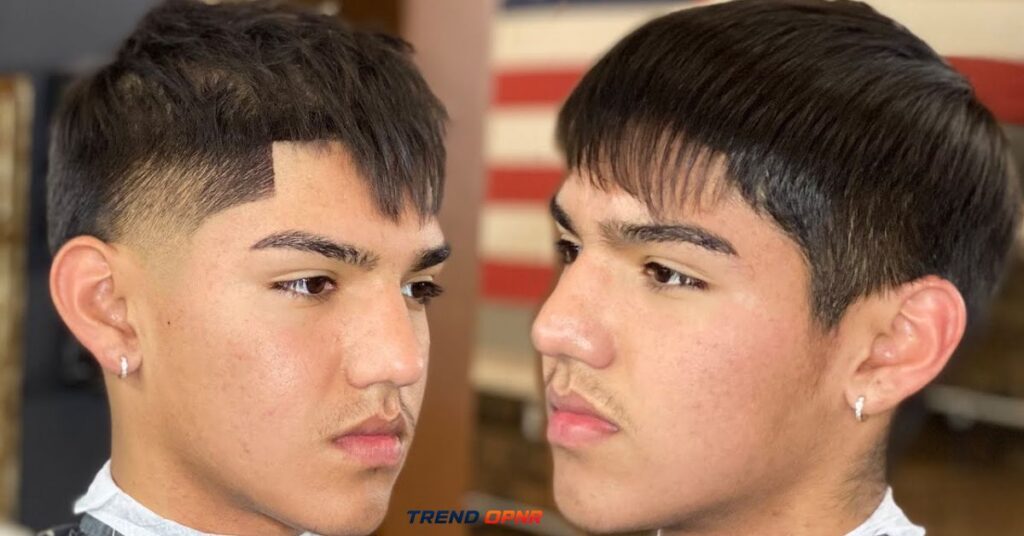
Yes, a Mid Blowout Taper can be a professional haircut when the taper is clean, the neckline is controlled, and the top is styled neatly. The level of volume and texture should be adjusted according to the workplace.
For conservative environments, choose a natural edge-up and moderate volume. A slicked-back version can also provide a polished appearance without removing the character of the taper.
For creative workplaces, you can generally experiment more with textured fringe, stronger volume, or a burst taper variation. The key is to match the haircut to the environment rather than assuming every version is equally appropriate.
How Long Does the Style Take to Grow Out?
A taper grow-out depends on individual hair growth, density, texture, and how short the taper was initially cut. Very close tapers can become visibly softer as the hair grows, while a moderate taper may maintain its shape for longer.
The neckline is often one of the first areas to show growth. A simple neckline cleanup can restore some definition without requiring a full haircut.
If you prefer a low maintenance routine, ask your barber for a softer taper that blends naturally as it grows. If you want a consistently fresh appearance, schedule regular haircut touch-ups.
Final Tips Before Your Appointment
Know your desired top length before sitting in the chair. If you want 3 to 5 inches hair, say so, but also explain whether that measurement refers to the front, crown, or general top. Different areas may need different lengths to create the correct shape.
Know your preferred taper height. If you want a mid taper, make that explicit instead of simply asking for a taper fade.
Bring a haircut reference photo. Explain what you like about it and identify anything you do not want. This can prevent the barber from copying a feature that does not suit your hair.
Finally, explain how much daily styling you are willing to do. A dramatic blowout may require more time than a simple textured style. Your barber can adjust the haircut accordingly.
Frequently ask question:
What is a mid-taper blowout?
A mid-taper blowout combines a medium height taper around the temples and neckline with longer, fuller hair on top. The upper section is styled upward or outward to create volume and movement.
What is a blowout mid taper fade?
A blowout mid taper fade is a fuller top hairstyle paired with a mid level taper fade around the sides and neckline. The exact amount of fading depends on how closely the barber blends the lower sections.
How do I ask for a blowout taper?
Tell your barber that you want a Mid Blowout Taper, specify the taper height, top length, neckline finish, and desired styling direction. A reference photo makes the request even clearer.
Is mid-fade haram in Islam?
There is no single universal answer that can be applied to every haircut interpretation. Islamic scholars have differing views about certain fade and taper styles, particularly when they involve qaza, which traditionally concerns shaving part of the head while leaving another part. If this matters to you religiously, ask a trusted qualified scholar about the exact style you intend to get.
Which is easier, taper or fade?
A taper is often easier to maintain because it usually preserves more hair around the sides and can grow out more naturally. A fade may require more frequent touch-ups if you want its shorter transition to remain sharp.
Conclusion
The Mid Blowout Taper is a versatile haircut because it combines controlled tapering with the freedom to keep meaningful length and volume on top. Its appearance can change dramatically through a textured fringe, middle part, slicked-back finish, burst taper, or natural styling approach. That flexibility makes it suitable for straight, wavy, curly, coily, fine, and thin hair when the barber adjusts the shape to the individual.
The best result comes from clear barber instructions rather than simply naming the haircut. Explain the taper height, top hair length, neckline, edge-up, texture, and styling preference, then support your request with a reference photo. With the right cut and a suitable blow-drying technique, the style can remain clean, modern, and easy to personalize as it grows.

